Let’s answer some key questions. What is astrology? Where did it come from? Why should I give a crap about it? What you gonna do for me, astrology? You know, those types of questions.
Astrology is 10,000+ years old, a field of knowledge that looks at the possible influence of celestial bodies on the earth, on natural phenomena, on political events, and above all, as German astrologer Reinhold Ebertin put it, on the human disposition, our character and our fate. Ebertin wrote The Combination of Stellar Influences, one of the best-known books in the astrological canon, so he knows a little something.
Where it all started
The beginnings of astrology as we know it started with survival. Early humans realized it was beneficial to know when the sun would go up and come down: sun’s up, go hunt and gather; sun’s down, chill and stay out of harm’s way. They tracked the days, the days turned into seasons and years, and they tracked months by the moon cycle. When they noticed the sun didn’t stay in the same position all year, they started tracking the seasons: sun over here, plant; sun over there, harvest. That’s why you see structures like Stonehenge around the world, giant stone calendars monitoring the sky. The ancients were smarter than we give them credit for.
They also learned that when Mars sat in a certain part of the sky, war was imminent. That’s how celestial bodies started picking up meaning. By Babylonian and Assyrian times, prophecies were being made from the sky, but only for the king, because the king was That Dude. The thinking went: a prophecy for the king is a prophecy for everyone he rules. By the Middle Ages, bishops, judges, and wealthy business people were getting their horoscopes read too. And today you’ve got AstroMatrix and The Pattern on your phone, and astrologers like me doing it on a much more personal level.
Here’s the part that gets me. Very powerful people have kept astrologers on retainer for millennia. US presidents, monarchs, the extremely wealthy: they wanted to know their next move, their best move, and they had an astrologer by their side to help make it. The rest of us have been out here raw-dogging life when we didn’t have to. Astrology is more accessible now than it’s ever been, and I built Homegirl Astrology because I didn’t want my sisters walking around in confusion, feeling purposeless, when the guidance is right there in the chart. As our good sis Beyoncé says, if you feel insignificant, you better think again.
What’s on the menu
Astrology isn’t one thing. It’s a whole menu, and most people have only ever seen the appetizers. Here’s the tour.
Horary astrology answers a question by reading a chart cast for the moment the question was asked. Should I take this job offer? Is this relationship over? Should I sign up for this class? If you ask me whether your relationship is over, I’ll look at you in the chart, look at your partner in the chart, see how you’re interacting, and probably cross-reference your natal chart, because you might be worried about losing somebody who wasn’t even your person for real.
Electional astrology works in reverse: instead of reading a moment, you pick one. You reverse-engineer the chart to find the most favorable time to launch something. People use it to pick wedding dates (huge in India, where you want to marry under a happy sky), schedule a surgery (cutting is a Mars thing, so a medical electional astrologer watches Mars), time a business launch, or even schedule a social media post.
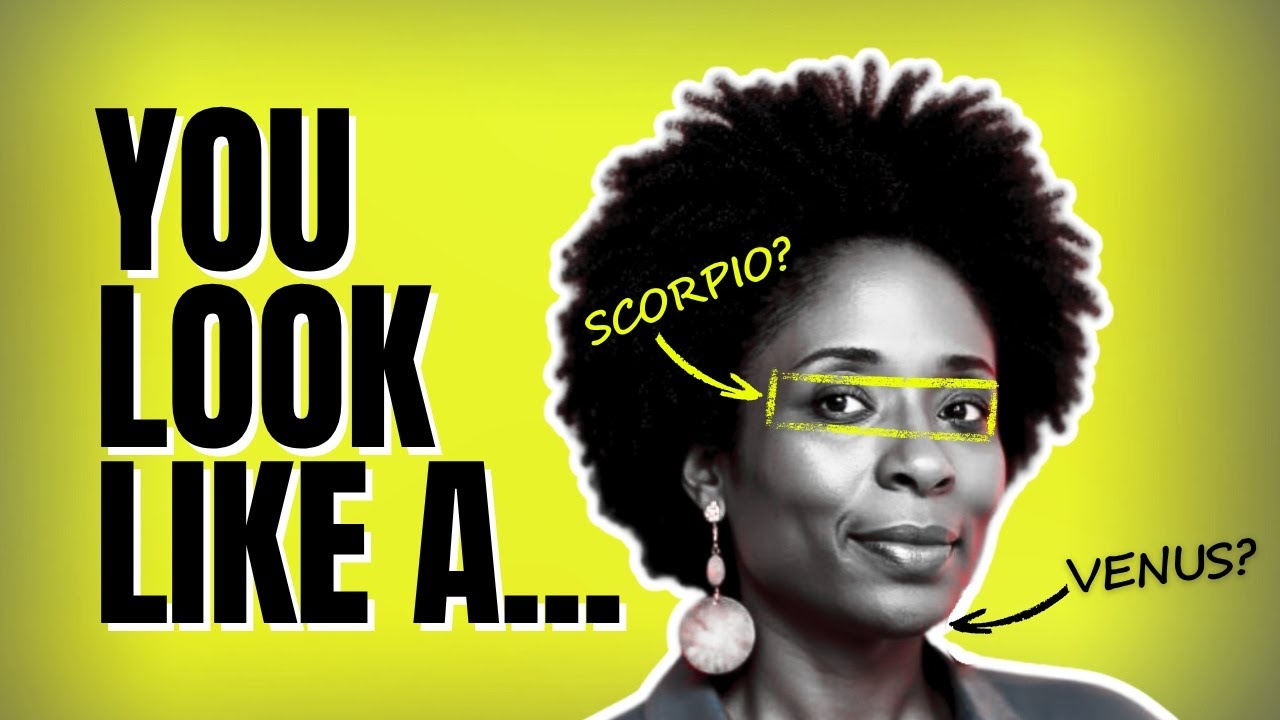
Natal astrology is the bread and butter here at Homegirl Astrology. Your birth chart assigns meaning to the symbols present at your birth and reads their relationships: your personality, your people, what you’ve already lived through and what’s coming, and how to live out your natal promise in finance, career, love, family, and purpose. You can even see what a person will physically look like from their placements.
Mundane astrology is the astrology of the world: large groups of people and global events. Mundane astrologers watch new moons, full moons, ingresses, and planetary conjunctions. When Uranus (shakeups, separations, instability) moved into Taurus (money), mundane astrologers called financial shakeups, and the markets have obliged.
Then there are the branches that cut across all of these. Financial astrology: your personal financial promise in the natal chart, or timing investments electionally. Evolutionary astrology: how people evolve across their lives. Psychological astrology: personality and how you relate. Medical astrology is the one that amazes me most. Doctors used to have to know astrology before they could practice medicine. A medical astrologer reads the ailments you’re prone to from your chart, which is especially useful when something’s hard to diagnose (if you go, bring the onset date and time of your symptoms; it matters). I’ve dabbled here myself: I told one client he’d probably experienced anemia or blood toxins at some point, and it turns out he had lead poisoning as a kid that caused anemia. I told another she might get the sensation of her skin crawling, a feeling I’ve never had in my life, and she said yeah, actually, I do. I had no reason to say these things beyond the chart. And within medical there’s fertility astrology: can I get pregnant, when should I try. Not my skill set, but I can refer you.
Astrocartography deserves its own shout-out, especially if you found me through the Exodus Summit or you’re planning your own Blaxit. It overlays your natal chart on a map of the world to show where certain energies are strongest for you. When I moved to Lisbon, I kept noticing how many supportive women were showing up in my life, and when I finally pulled my astrocartography chart, the closest line to me was my moon trine ascendant line: supportive women in the environment. You can build your own free at astro.com and click around.
So what do you do with all this?
This wasn’t an exhaustive list; it’s just so you know what’s available to you. What’s on the menu. Astrology impacts us whether we’re paying attention or not, and when you learn your specific chart, you learn how to operate in alignment with what you were born to do.
If you want one-on-one insights, whether that’s a natal chart reading or a horary question, book a reading. The guidance is there. You just have to find it. And I’m here, so you don’t even have to look far.